
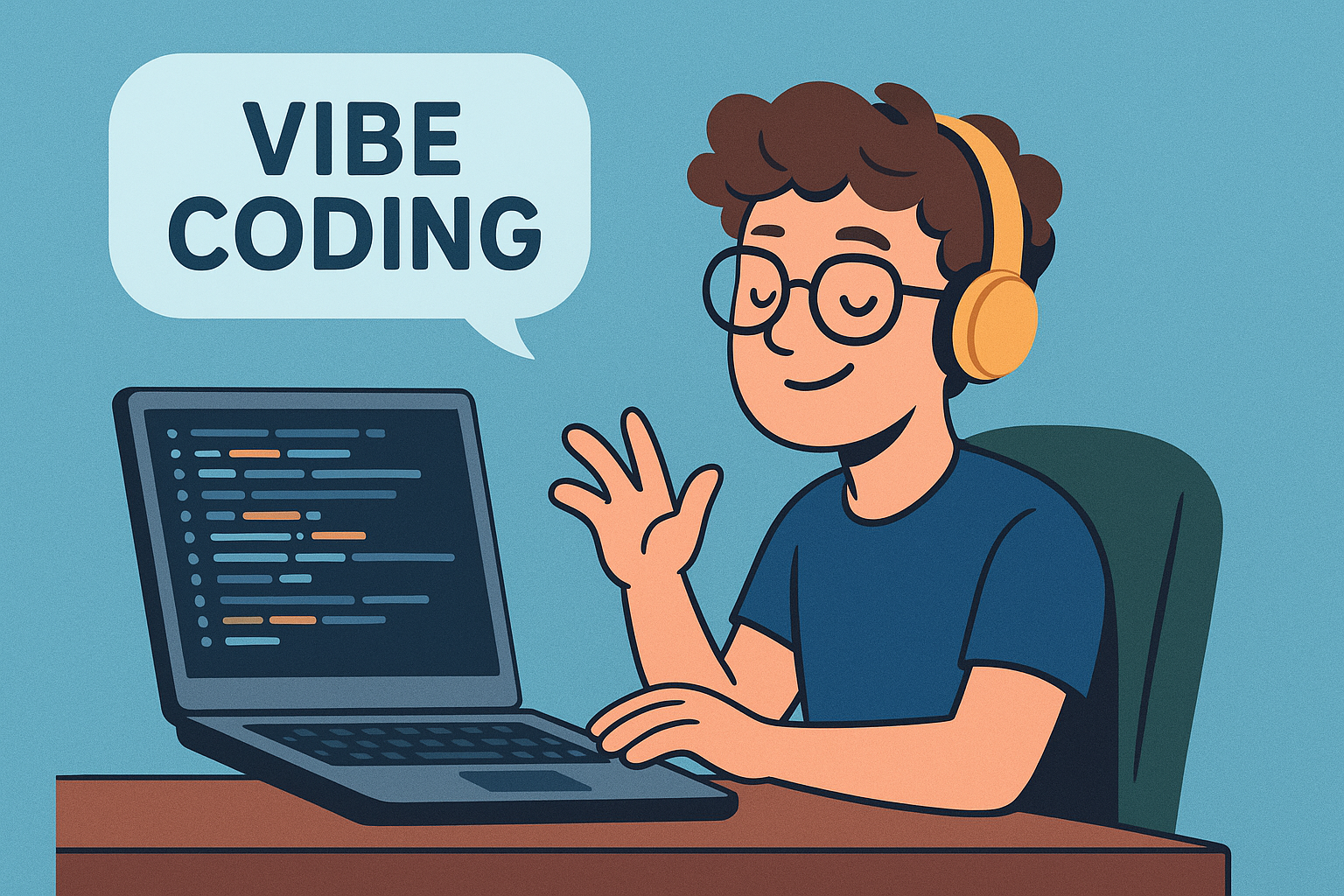
Vibe coding is basically building software by describing what you want in natural language and letting the system turn that into code. Instead of wrestling with syntax, you guide the outcome through prompts, testing, and quick iterations. It feels more like brainstorming than traditional coding, which is why it is becoming such a big talking point.
Why people are excited about it
Here are a few reasons it is getting attention:
- It lowers the barrier to creating software for people who understand the business problem but aren’t deep into coding.
- You can get to a prototype faster and explore ideas without overthinking the technical details.
- It encourages more experimentation because the cost of trying something is so low.
But it’s not magic. For anything long lived or enterprise grade, you still need real engineering, good design principles, and proper governance. Vibe coding is great for exploration, not a replacement for discipline.
What vibe coding can shift
One of the biggest advantages is how it changes the conversation. Instead of starting with “how do we build this”, teams can start with “does this actually meet the need”. You get something tangible earlier, which makes it much easier for stakeholders to react, refine, and rethink before anyone invests in a complex build.
What it means for different roles
For business and functional people:
Vibe coding gives them a way to express ideas directly. They don’t need to translate requirements into technical language before anything happens.
For makers and Power Platform builders:
It fits right into the rapid prototyping mindset. It helps accelerate early thinking so you can focus more on logic, data, and user experience.
For architects and engineers:
It becomes a launch pad. Use it to shape early versions, then apply the structure, quality, and governance needed to take something to production. It speeds up the front end of the design process without removing the need for strong design on the back end.
Why vibe coding isn’t perfect
As exciting as it is, vibe coding comes with limitations that are worth calling out:
- The generated code can be messy or inconsistent, which makes long term maintenance harder.
- It can hide complexity. If you don’t understand what the system produced, debugging becomes a painful guessing game.
- It is easy to overestimate how “production ready” something is just because it looks functional on the surface.
- Governance, security, performance and integration patterns still need proper attention. Vibe coding won’t automatically apply best practice.
- And of course, anything mission critical needs human review, proper testing, and intentional architecture.
In short, it is great for momentum, not for bypassing the fundamentals.
My take
Vibe coding won’t replace the fundamentals, but it will speed up how we get to them. I see it as a way to unlock new conversations, get ideas out of people’s heads faster, and focus earlier on whether something is actually valuable. When you combine quick exploration with solid architecture and good design patterns, you get the best of both worlds.
Kim Brian
Modern Applications and Power Platform Solutions Architect at Velrada.
Technical Consultant Helping organizations unlock the full potential of their Microsoft efficiency tools.
Feel free to share your thoughts or connect with me to discuss AI or Microsoft efficiencies.
Leave a Reply